The fact that those are the "best three" is a bit sad to me.
Snyder was a working screenwright, but his book has led to a lot of enshittification of storytelling in Hollywood (less his fault than that of his heirs, though). But if you read it literally, without any of the cruft that's built up around it, it is pretty good.
McKee autistically over-analyzes everything in a way that leads many writers to analysis paralysis, and is not especially helpful in the practical realms a working scribe needs to be aware of (budget, scheduling, etc.). If you can read it with a filter of "okay, he's being autistic again", there is good stuff to glean from it, but there are better books.
I have not read Truby, so I can't comment on that one.
Martell wrote the book from experience, having gotten around nineteen scripts produced in the 1990s and 2000s direct-to-video market. The Secrets of Action Screenwriting is very nuts-and-bolts, from structure and outlining to how to figure out action scenes that can be done on a limited budget. It also has (Bill would never put it this way) an Aristotelian aspect to it, in that he gives the reader the tools to figure out things on his own, not just how-to lists to be obeyed without question.
The other two books that I got the most out of when I was trying to break in were Linda Seger's Making a Good Script Great and the much more obscure Screenwriting from the Soul by Richard Krevolin.
 Log in

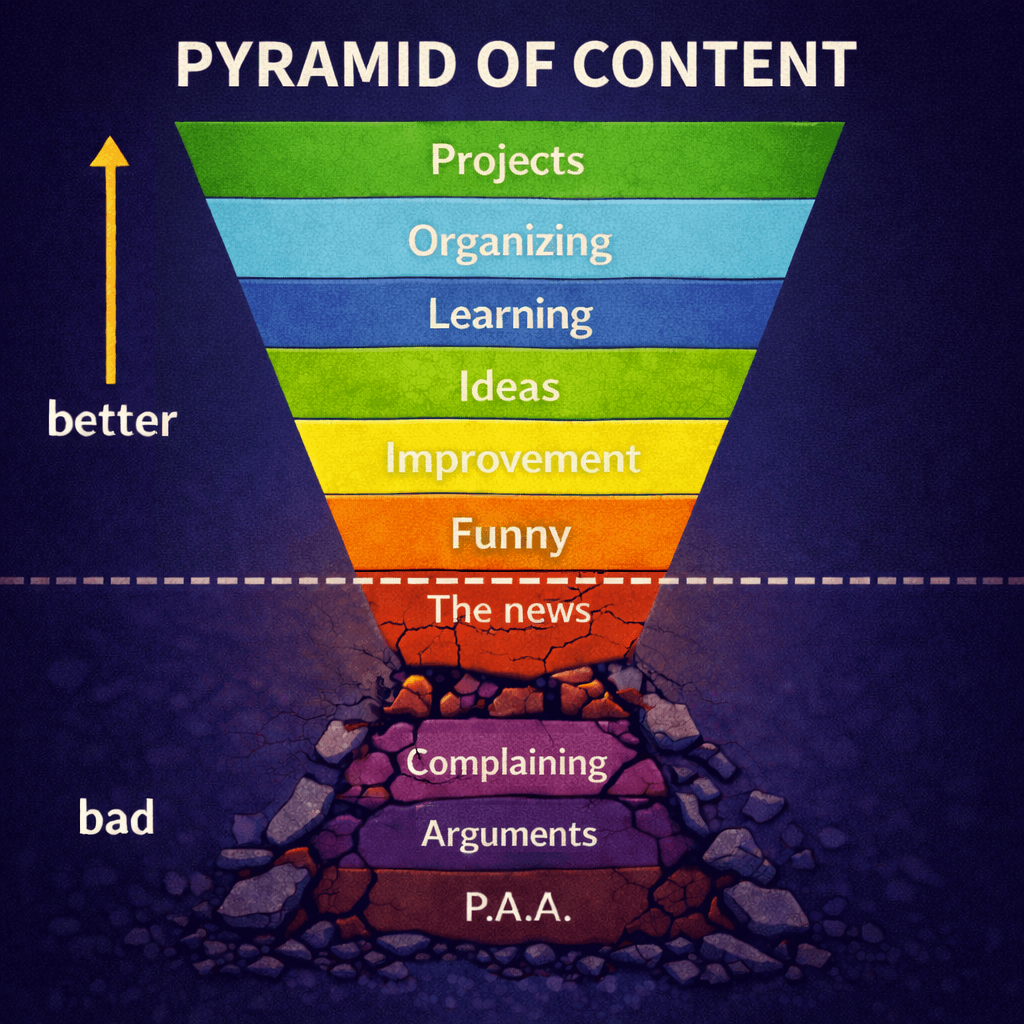



Is this as good as the best three?
https://projex.wiki/wiki/Filmmaking#Screenwriting
The fact that those are the "best three" is a bit sad to me.
Snyder was a working screenwright, but his book has led to a lot of enshittification of storytelling in Hollywood (less his fault than that of his heirs, though). But if you read it literally, without any of the cruft that's built up around it, it is pretty good.
McKee autistically over-analyzes everything in a way that leads many writers to analysis paralysis, and is not especially helpful in the practical realms a working scribe needs to be aware of (budget, scheduling, etc.). If you can read it with a filter of "okay, he's being autistic again", there is good stuff to glean from it, but there are better books.
I have not read Truby, so I can't comment on that one.
Martell wrote the book from experience, having gotten around nineteen scripts produced in the 1990s and 2000s direct-to-video market. The Secrets of Action Screenwriting is very nuts-and-bolts, from structure and outlining to how to figure out action scenes that can be done on a limited budget. It also has (Bill would never put it this way) an Aristotelian aspect to it, in that he gives the reader the tools to figure out things on his own, not just how-to lists to be obeyed without question.
The other two books that I got the most out of when I was trying to break in were Linda Seger's Making a Good Script Great and the much more obscure Screenwriting from the Soul by Richard Krevolin.