Thanks for sharing this, as it helps to see this attempt at re-writing history from the point of view of a Libertarian. What's not addressed by Bieto is what was about to happen if the New Deal never developed. The US would have faced another depression, as authoritarian and corporate politics took over. It's very good to look again at that period, because the US is once again in the grips of corrupt corporations and is in need of a New Deal. Doing nothing will only make matters worse. Anyhow, let's look at Bieto's approaches.
He often faces criticism for his staunch libertarian, anti-New Deal perspective, particularly in his work The New Deal's War on the Bill of Rights and FDR: A New Political Life. Critics argue his analysis downplays the crisis context FDR faced, offers an overly harsh, psychological portrait of FDR, and ignores the limitations of private, often exclusionary, mutual aid societies.
Most importantly, Beito fails to adequately address the magnitude of the economic catastrophe FDR faced, making his critique of the New Deal seem unbalanced.
Beito also paints an overly idealized picture of Fraternal Societies, which were often exclusive, discriminatory by race and class, and in decline long before the New Deal took over their functions.
He also overlooks the critical military and strategic necessities of the time, such as the perceived need for Soviet help against Japan, which dictated, for example, the Yalta agreements.
And his focus on the 1930s-1950s as the primary period of decline for fraternal insurance misses that many, such as sick benefits, were in decline as early as the 1890s.
The author also leans too much a negative, personalized, and sometimes psychological critique that's not helpful at all, portraying FDR as calculating, "cold," or "sadistic", which has never been the general interpretation of him, ever.
And finally, he is highly selective of which civil liberties he thinks were under threat, thereby missing the broader existential threats to society that the New Deal resolved.
Whereas I think it's important to get more information on previous presidents and their approaches, one has to appreciate that - in this case - there is much more to the story.
Also, FDR was assassinated. A Russian painter was granted access to him and she slipped some radioactive stuff in his food/drink that was smuggled in/out as oil paints. Elizabeth Shoumatoff I guess? Don't recall who/where I heard this - but it seemed credible. Now I can't find much on it.
(We used to mark our liquid ketamine as "artists oils".)
 Log in

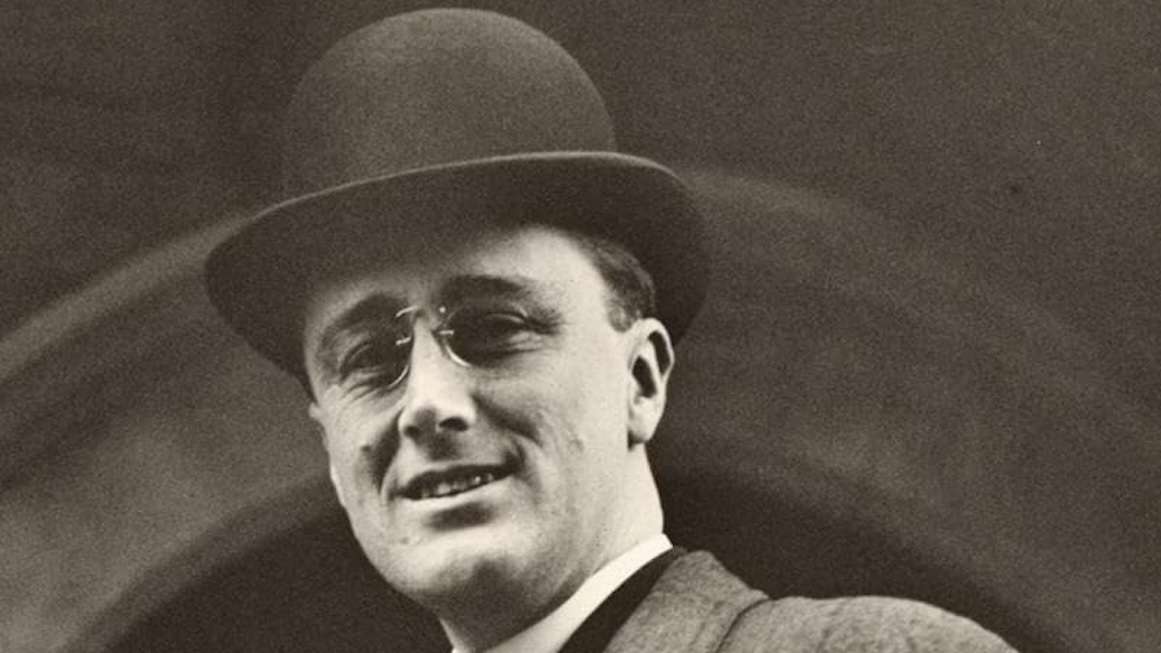

Thanks for sharing this, as it helps to see this attempt at re-writing history from the point of view of a Libertarian. What's not addressed by Bieto is what was about to happen if the New Deal never developed. The US would have faced another depression, as authoritarian and corporate politics took over. It's very good to look again at that period, because the US is once again in the grips of corrupt corporations and is in need of a New Deal. Doing nothing will only make matters worse. Anyhow, let's look at Bieto's approaches.
He often faces criticism for his staunch libertarian, anti-New Deal perspective, particularly in his work The New Deal's War on the Bill of Rights and FDR: A New Political Life. Critics argue his analysis downplays the crisis context FDR faced, offers an overly harsh, psychological portrait of FDR, and ignores the limitations of private, often exclusionary, mutual aid societies.
Most importantly, Beito fails to adequately address the magnitude of the economic catastrophe FDR faced, making his critique of the New Deal seem unbalanced.
Beito also paints an overly idealized picture of Fraternal Societies, which were often exclusive, discriminatory by race and class, and in decline long before the New Deal took over their functions.
He also overlooks the critical military and strategic necessities of the time, such as the perceived need for Soviet help against Japan, which dictated, for example, the Yalta agreements.
And his focus on the 1930s-1950s as the primary period of decline for fraternal insurance misses that many, such as sick benefits, were in decline as early as the 1890s.
The author also leans too much a negative, personalized, and sometimes psychological critique that's not helpful at all, portraying FDR as calculating, "cold," or "sadistic", which has never been the general interpretation of him, ever.
And finally, he is highly selective of which civil liberties he thinks were under threat, thereby missing the broader existential threats to society that the New Deal resolved.
Whereas I think it's important to get more information on previous presidents and their approaches, one has to appreciate that - in this case - there is much more to the story.
Good analysis.
Also, FDR was assassinated. A Russian painter was granted access to him and she slipped some radioactive stuff in his food/drink that was smuggled in/out as oil paints. Elizabeth Shoumatoff I guess? Don't recall who/where I heard this - but it seemed credible. Now I can't find much on it.
(We used to mark our liquid ketamine as "artists oils".)
TIL, he died on my mom's birthday.
FDR used socialism because if he didn't the economy would crash again and form communism.
one of prez we ever had, elites create term limits right after so a great popular prez can't win wars and end depressions again.