 Log in

| 1 | ||
| 1 | ||
| 1 | ||
| 1 | ||
| 1 |
Trust Me, I’m Lying: Confessions of a Media Manipulator is a 2012 nonfiction book by marketer and author Ryan Holiday. It exposes how modern online media systems can be exploited to influence opinion, and create “viral” narratives. The book became a cult classic for its candid look at the mechanics of digital publicity.
Written after Holiday’s tenure as director of marketing for American Apparel, the book documents how he and others manipulated blogs and news sites to promote clients. Holiday argues that the incentive structure of online journalism—driven by advertising revenue tied to clicks—rewards speed and sensationalism over accuracy. This, he claims, allows marketers and political operatives to “trade up the chain,” moving fabricated or exaggerated stories from small blogs to mainstream outlets.
The narrative reveals the feedback loop between blogs, social media, and traditional news organizations. Holiday explains techniques such as planting rumors, exploiting journalists’ need for traffic, and shaping narratives through selective leaks or staged controversies. He frames these tactics as both a confession and a warning: anyone can now influence public perception with minimal cost or oversight.
Key arguments:
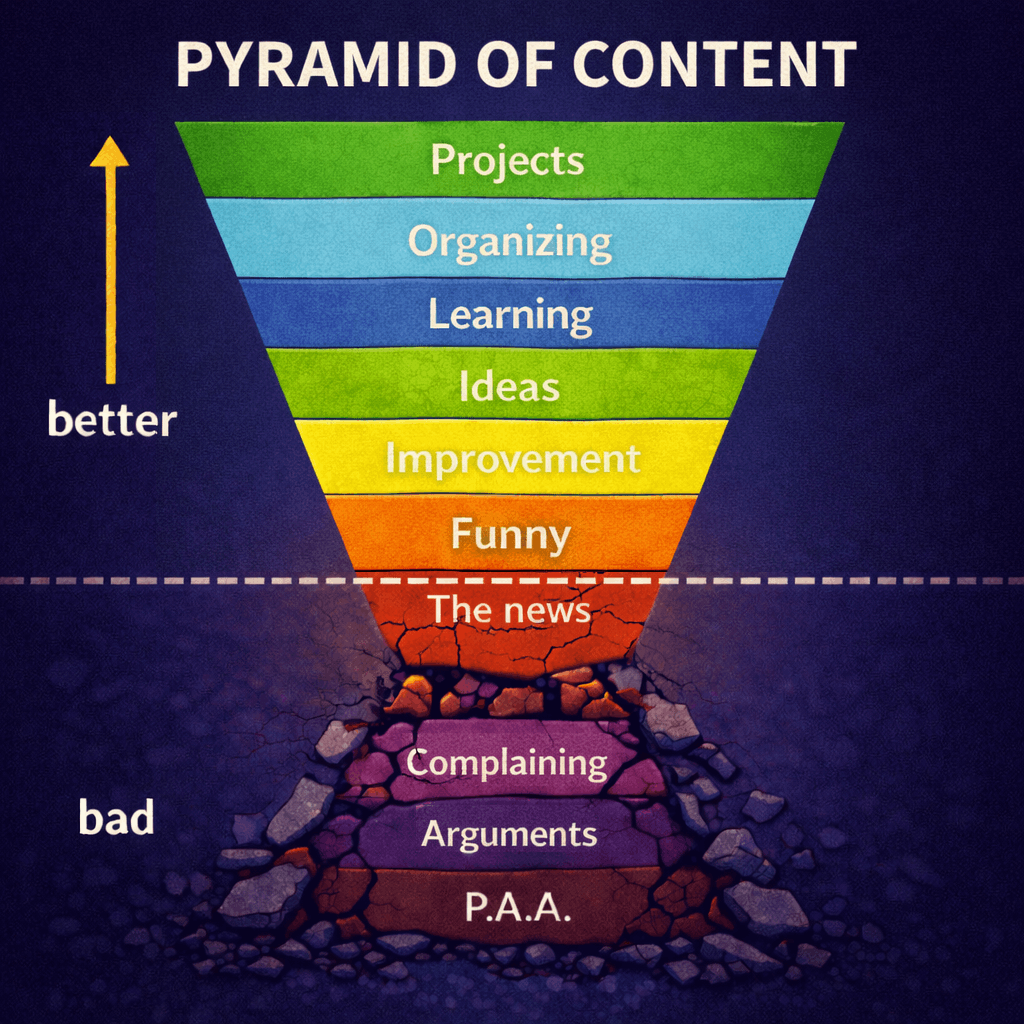
My solution is just recognizing that news media as it currently exists is just bad. Developing better technique for consuming a spoonful of shit isn't the answer. Why improve media literacy when you can be literate enough to know that you aren't going to get something valuable out of it anyway?


Do you read these books in their entirety on Sundays?